
Boeing, GE CEOs meeting with Duffy on certification reform
Aviation manufacturers want to streamline the process

The chief executives of Boeing Co., RTX Corp., GE Aerospace and other major aerospace companies are meeting with US Transportation Secretary Sean Duffy on Wednesday to discuss ways to streamline regulator approvals for new aircraft and parts, according to people familiar with the meeting.
Duffy and Federal Aviation Administration chief Bryan Bedford have been open about their desire to speed the certification process, which they’ve said is important to promote innovation and compete with other countries.
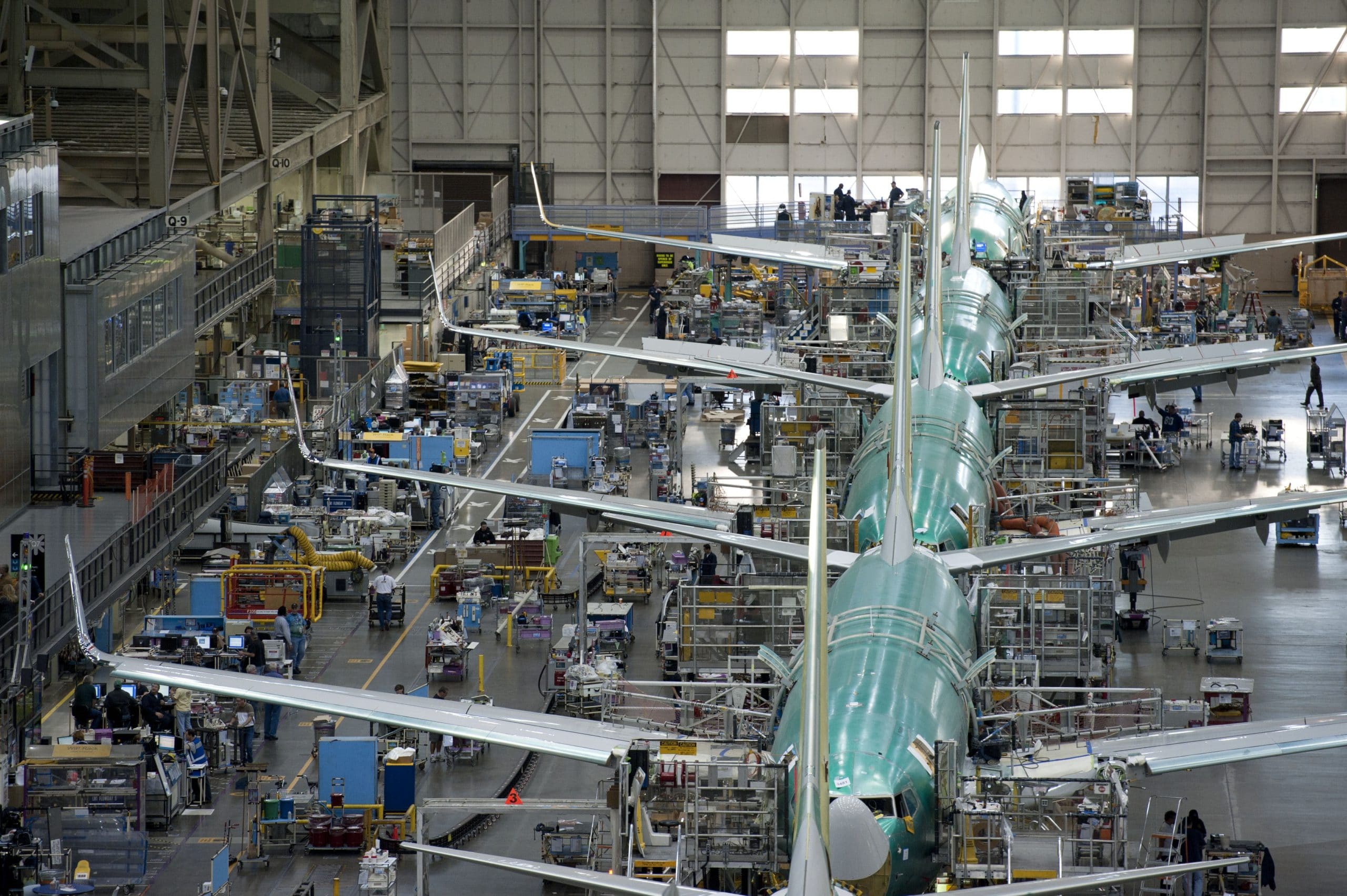
The FAA under the Biden administration had also looked at ways to streamline certification, which can take years and requires extensive documentation and testing.
During Wednesday’s meeting, which is being held in Savannah, Georgia, the government will hear from the industry executives about what is and isn’t working in the current system and possible improvements, including through changes to regulations, said the people, who asked not to be named because the discussions are private.
Attendees include Boeing CEO Kelly Ortberg, RTX CEO Christopher Calio and GE Aerospace CEO Larry Culp.
“As the Secretary and Administrator Bedford have stated, certification reform is an opportunity to both enhance safety for the flying public and maintain America’s global aerospace competitiveness,” the department said in a statement in response to questions about the meeting. “If we can’t modernize the process, safety innovation will lag and adversaries like China will step in to fill the void.”
The high-profile meeting highlights a concerted effort to find a path forward, as certification has become a key hurdle for manufacturers and their growth plans in recent years. Boeing, in particular, has faced setbacks getting aircraft certified amid increased scrutiny from regulators after two fatal 737 Max crashes and a near-catastrophe involving a midair blowout of a door-sized panel in 2024.
RTX declined to comment. GE Aerospace referred questions to the Aerospace Industries Association, a trade group, which said it was looking forward to “making aircraft certification more effective, more transparent and safer than ever.” Boeing didn’t have an immediate comment.
After years of delays, Boeing received approval for its 737 Max 7 variant in August, and the larger Max 10 is expected to follow in the coming weeks. The planemaker continues to face challenges with its 777X widebody, including issues with engines supplied by GE Aerospace.
At the same time, airlines have complained about how long it’s taken to get premium seat layouts approved by the FAA. US aerospace companies previously formed a coalition co-led by AIA, called PRISM, to lobby for both internal FAA changes and broader regulatory reform in Congress.
The FAA in June proposed a rule that it said would reduce the cost and time it takes to gain approvals of new aircraft and engines by “reducing the number of exemptions, special conditions, and equivalent level of safety findings required during the certification process.”
The agency on its website also lays out changes it’s made in recent years that it said have enhanced the certification process and its safety oversight, including encouraging information sharing and reporting of safety concerns.




Cargo Facts Free Newsletters