Cargo Facts

No products in the cart.

SUBSCRIBE
  • NEWS
  • AI TOOL
  • INSIGHTS DATA
    • Cargo Facts Insights Overview
    • Dashboard
  • FEATURES
  • LIVE EVENTS
  • VIRTUAL EVENTS
    • Cyber Aviation Global Forum
    • Webinar Library
  • PODCAST
  • CONSULTING
Thursday, July 16, 2026
Log In
No Result
View All Result
  • Freighter Transactions
  • Capacity & Demand
  • Conversions
  • Carriers
  • Routes
  • AAM
  • The Future
  • Cybersecurity
Cargo Facts
  • NEWS
  • AI TOOL
  • INSIGHTS DATA
    • Cargo Facts Insights Overview
    • Dashboard
  • FEATURES
  • LIVE EVENTS
  • VIRTUAL EVENTS
    • Cyber Aviation Global Forum
    • Webinar Library
  • PODCAST
  • CONSULTING
Log In
No Result
View All Result
Cargo Facts
No Result
View All Result

Is it the role of the airport help train and recruit workers for sustained cargo growth?

Charles KauffmanbyCharles Kauffman
February 20, 2019
in Airports, Carriers, News
0
Share on FacebookShare on LinkedIn

Air cargo industry stakeholders are no strangers to the difficulties involved in recruiting skilled labor to fill warehousing and ground handling vacancies at growing airports. But does responsibility fall on the airport, or the individual stakeholders in need of labor?

A number of airports, such as Liège Airport (LGG) and Istanbul New Airport (ISL), are taking on an outsized role to address these issues with the introduction of workforce recruitment and training programs

At Cargo Facts EMEA earlier this month, Bert Selis, cargo and logistics development manager, Liège Airport, said that in order to adequately address worker shortage issues, “Airports need to get involved. Creating training programs [to help] people become airport employees is the only way to ensure sustainable growth.”

This month, LGG began offering a training program to job seekers, in partnership with the Walloon Office for Vocational Training and Employment (Forem), to recruit, develop and fill 430 new ground handling positions at the airport. The program offers training for three specialization modules – ramp agent, cargo warehouse agent and air freight office administration.

The first program to be launched will be the twelve-week cargo warehouse agent program – accepted applicants attend eight weeks of training at the Forem Logistics Liege Competence Center, located next to LGG, followed by four weeks of internship at LACHS, AviaPartner or Swissport. Upon completion of the program, successful trainees will be recruited to work at the airport. Every five weeks, Forem will begin training a group of 12 job seekers in the program to fill airport demand for qualified personnel.

The program will support LGG’s rapid growth in air cargo last year, which increased 21.5% to 870,644 tonnes for the full year. LGG will likely see continued growth in volumes this year given recent interest from e-tailers and all-cargo carriers. Alibaba’s logistics affiliate Cainiao announced its decision to develop a global hub at the airport last year. Shortly after, AirBridgeCargo announced its plans to relocate its European hub to LGG.

LGG however, is not the only growing airport where stakeholders are investing in training employees. Istanbul New Airport (ISL), in collaboration with Turkish Airlines, launched a recruitment and training program ahead of the ramp-up of cargo operations at Istanbul’s recently-built airport. As Turkish Airlines continues to report double-digit growth, demand is pushed higher for personnel on the ground. Turhan Özen, chief cargo officer for Turkish Airlines, told delegates at Cargo Facts EMEA that despite high levels of unemployment in the local area, there is a shortage of qualified applicants. Thus, the company, and the airport are investing in training of local staff to ensure quality and promote retention of employees.



Tags: ACNAirBridgeCargo (ABC)AlibabaCainiao GroupiGA Istanbul Airport (IST)laborLiege Airport (LGG)SwissportTurkish Airlines/Turkish Cargo
Previous Post

DB Schenker gains GDP cert at NRT

Next Post

Juneyao Air already adding widebodies, are freighters next?

Related Posts

Aloha Air Cargo 737-400F
Fleets

World Star signs 1st 737-400F deal with Saltchuk Aviation

July 16, 2026
Challenge Group 777-300ERSF
Routes

Challenge Group prepares for 2nd 777-300ERSF delivery amid network expansion

July 16, 2026
Mammoth Freighters 777-200LRMF
Freighter Aircraft

First Chinese 777 conversion site emerges in Mammoth deal with STAECO

July 15, 2026
Next Post
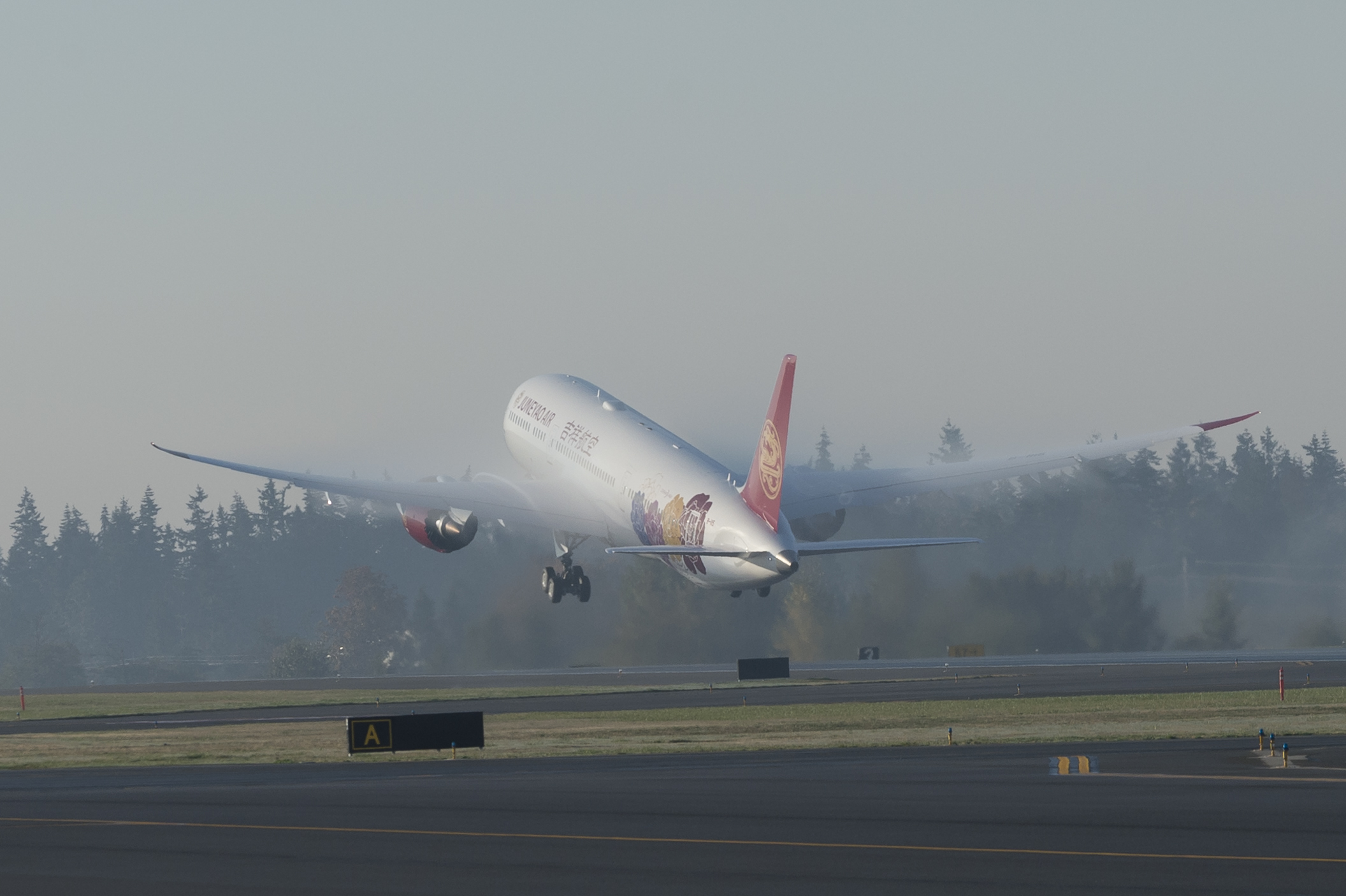
Juneyao Airlines took delivery of its first 787-9 last October and now operates three of the air frame time. Are freighters next for this Shanghai-based carrier?  Photo: Boeing

Juneyao Air already adding widebodies, are freighters next?

Cargo Facts Free Newsletters

Cargo Facts Connect Podcast

  • About Us
  • Help Center
  • Contact Us
  • Privacy & Usage Terms
  • ADA Compliance
  • Advertise
  • Archive
  • The Dahl Scholarship

 [wt_cli_manage_consent]

Follow Us

twitter linkedin podcast podcast podcast
© 2026 Royal Media
No Result
View All Result
  • News
    • Freighter Transactions
    • Capacity & Demand
    • Conversions
    • Carriers
    • Routes
    • AAM
    • The Future
  • Insights Data
    • Cargo Facts Insights Overview
    • Dashboard
  • AI Tool
  • Features
  • Live Events
  • Virtual Events
    • Cyber Aviation Global Forum
  • Podcast
  • Consulting
  • Subscribe
  • Log In / Account

© 2022 Royal Media & Cargo Facts

Welcome Back!

Login to your account below

Forgotten Password?

Retrieve your password

Please enter your username or email address to reset your password.

Log In
No Result
View All Result
  • News
    • Freighter Transactions
    • Capacity & Demand
    • Conversions
    • Carriers
    • Routes
    • AAM
    • The Future
  • Insights Data
    • Cargo Facts Insights Overview
    • Dashboard
  • AI Tool
  • Features
  • Live Events
  • Virtual Events
    • Cyber Aviation Global Forum
  • Podcast
  • Consulting
  • Subscribe
  • Log In / Account

© 2022 Royal Media & Cargo Facts