
Temperature-controlled products heat up air cargo demand

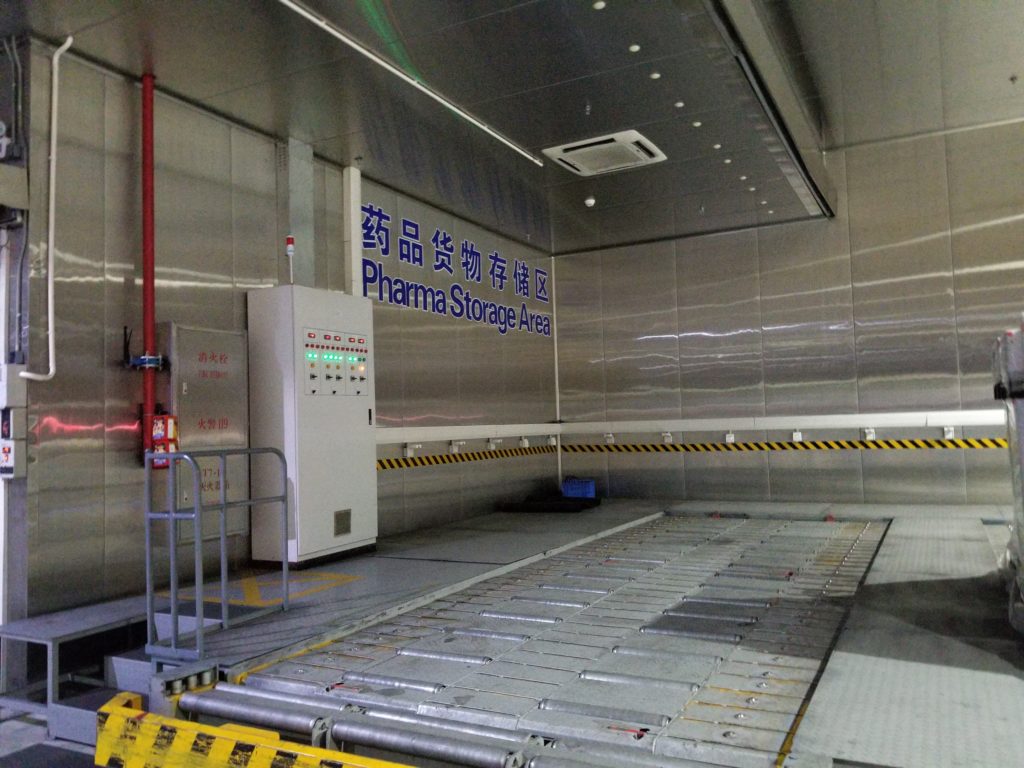
With news of July being the hottest on record, it seemed fitting that we take a look at temperature-controlled air cargo. Indeed, a number of freight forwarders noted in recent earnings reports that temperature-controlled volumes were a bright spot in an otherwise disappointing first half of the year for air cargo.
However, while temperature-controlled products led to volume growth for several forwarders, the volumes did not equate to profits for some of these providers as noted in our previous article. For example, Panalpina reported an 8% increase in air volume in Q1, of which 6% of the total came from recent acquisitions in the perishables sector. However, Panalpina paid the price of this volume gain with a 10% decline in gross profit per tonne, which led operating income to decline by 7%.
One thing worth noting, though, is that Panalpina’s niche acquisitions that contributed to the air volume gains are focused on perishables like foods and beverage and flowers. Higher-value temperature-controlled products such as pharmaceuticals tend to be more profitable, on average, for forwarders and carriers. Indeed, recently Panalpina received Good Distribution Practice (GDP) certification for its newly opened Healthcare Logistics Center in Weiterstadt, close to Frankfurt/Main International Airport (FRA). The facility provides such services as handling, transport and storage temperature-sensitive medicinal products.
Meanwhile UPS’ healthcare subsidiary, Marken, recently announced clinical home healthcare services that include such services as clinical drug storage, direct-to-patient delivery, biologic sample collection, central pharmacy and home care/nursing services.
Marken also acquired PCX International of Japan and earlier acquired HRTL based in Italy, along with two additional companies in Austria and Hungary, HETO and Der Kurier. Among the benefits of these acquisitions are that each of the groups’ locations are close to major airports.
Indeed, a chat with Gordon Johnson, of DHL Global Forwarding, finds that pharmaceuticals are a natural fit for air transportation despite the market’s growing interest in oceanfreight. According to Johnson, airlines tend to make better partners due to their openness in allowing for tracking and other technology utilized by forwarders. Much of this technology is needed because of regulatory requirements as well as customers wanting tactical updates and overall trend analysis.
The growth in biopharmaceutical is driving much of this demand. According to Johnson, the biopharmaceutical market will make up 30% of the total pharmaceutical market by 2020. Pelican BioThermal’s 2019 Biopharma Cold Chain Logistics Survey further finds that by 2022, 30 of the 50 top global biopharmaceutical products will require cold-chain handling. As a result, the value of cold-chain logistics is expected to reach almost $17 billion by 2021.
With this change in pharmaceutical mix, of course, will come more regulations. Because of the increasing complexity in shipping such goods, a freight forwarder is worth more than his weight in gold – case in point, Johnson describes DHL Global Freight Forwarding as being a “strategic advisor.” This role of strategic advisor has led to the creation of several services including the tracking and visibility tool, Thermonet, in 2012; lane risk assessment with each shipment in 2016; and today, the implementation of the Internet of Things (IoT) and artificial intelligence because of the need for real-time data. In fact, in 2018 over 10,000 sensors were placed on DHL shipments.
When asked what’s ahead for the pharmaceutical market, Johnson said, “Faster deliveries with courier capabilities and digital forwarding behind it.” The growing importance of personalized medications is, of course, one of the major factors behind this trend.
Express providers DHL, FedEx and UPS should benefit from this trend as each offer time-definite services as well as specialized freight forwarding and logistics necessary for the movement, tracking, storage and transportation of temperature-controlled products. An additional benefit is that goods remain in one network with fewer hand-offs, thus maintaining the quality and integrity of the biopharmaceuticals.
Cathy Morrow Roberson is founder and president of the logistics-focused market research firm, Logistics Trends & Insights, based in Atlanta. Previously, Cathy spent several years with consulting firms, as well as with UPS Supply Chain Solutions, where she supported its market, operations, competitive and mergers & acquisition research and analytics. She also is a Senior Consultant at Cargo Facts Consulting and writes a weekly column for Air Cargo World.



Cargo Facts Free Newsletters