
The invisible factor contributing to the pharma digitalization delay

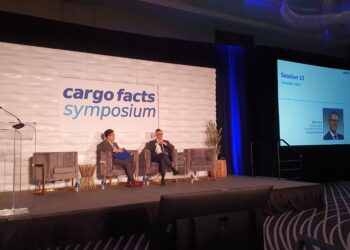
SINGAPORE – Technology geared toward improving the transportation of temperature-sensitive cargo is better than ever. However, there was a consensus during yesterday’s pharma-focused panel discussion, “Discussing air freight operational challenges,” that there is still a long way to go before the industry catches up with the capabilities of today’s technology.
A study from Aspen Global utilized data-logging hardware on real pharma shipments to identify when and where excursions are still taking place in the supply chain, and you could probably guess the results: on airport tarmacs, along longer supply chains with connecting flights, and when cargo is stored in a warehouse without cold storage capabilities.
But even knowing where these vulnerabilities lie and having the technology available to broach them doesn’t mean the industry is beyond these challenges. Panelists – which included industry leaders representing each node of the supply chain, from shipper to airline – seemed to agree that many potentially solvable supply chain disruptions are being perpetuated not by a lack of technology, but by an unwillingness between supply chain partners to share internal data.
“What’s really important is getting the team approach,” said Frank Van Gelder, secretary general at Pharma.aero, an organization dedicated to improving the pharma supply chain. “It’s a slow-moving process, but again, I can’t repeat this enough: it’s the mindset that has to be created.”
The lack of data flow between partners that is stunting digitalization may be rooted in the fear of the accountability that data-sharing brings, which is heightened even more in the case of transporting high-value goods like pharma.
Nina Heinz, global head of network and quality at DHL Global Forwarding is an advocate for the benefits of digitalization of supply chains. She posed a rhetorical question to detractors of digitalization, asking: “If I may be a bit provocative, what are you scared of?”
Eddie Weygaerts, transportation manager for pharma giant Pfizer, lent some perspective. He said that, when a pharma shipment is compromised, that expense can easily be in the millions of dollars. Could this be part of why logistics parties are hesitant to rock the boat?
Weygaerts, a fellow advocate of digitalization, is open to technology rooted in preventing such occurrences, to “know where we need to assist and if there is a failure, how we can ensure next time there is no failure. That’s the only thing I’m interested in,” he said.
Ong Geok Suan, general manager of key accounts and verticals at Singapore Airlines; Winnie Pang, assistant vice president, Coolport and eCommerce air hub at SATS; and Fedor Novikov at deputy general director products at AirBridgeCargo all agreed on the benefits that sharing data could have to supply chain optimization, but attested to the notion there is not necessarily a reciprocal willingness to share data among supply chain partners.
Cargo Facts Free Newsletters